tonna1020's pick · Updated August 2026
Amazon Basics Air Circulator Fan
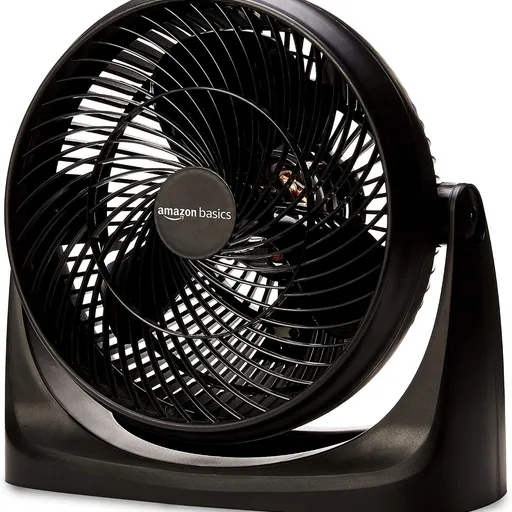

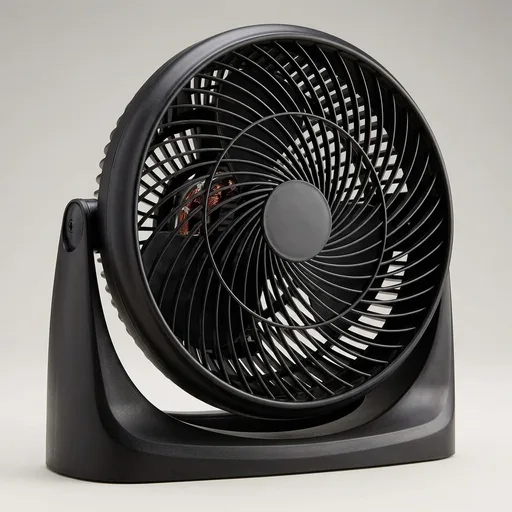
A desk fan makes the most sense for someone who wants direct airflow without giving up much space. This kind of air circulator is a practical pick for a bedroom, home office, dorm room, or small living area where a larger floor fan would be harder to place. The main appeal is simple: it gives you a focused stream of air in a compact body, with tilt adjustment and a few speed settings so you can tune it to the room instead of moving to a different appliance every time the temperature changes.
The 90 degree tilt head is the feature that gives this model its usefulness. A fan like this can point at a bed, a desk, a reading chair, or across a small room, which makes it easier to adapt to different layouts. The lighter weight also matters more than it sounds like it would, because a desk fan gets moved around often. If you want something you can shift from one room to another without much effort, that is a real point in its favor.
The three speed settings give you a basic range to work with. That is enough for many shoppers, especially if the goal is to create a little air movement rather than cool an entire room. For people who are sensitive to noise or who want to use a fan while working, sleeping, or studying, the first thing to check is how the lowest setting behaves in real use. Fans in this size range can vary a lot in output, airflow pattern, and sound, so the practical question is not just whether it spins, but whether it fits the kind of room and activity you have in mind.
There is also the question of placement. A compact fan can be easier to live with than a bigger one, but it may still be too large for a crowded nightstand or too powerful for a very small desk if you like gentle airflow close up. The dimensions and 70 watt rating are worth checking against the space where it will actually sit. If the fan will be used near papers, curtains, or a monitor, buyers may also want to confirm how far the airflow reaches and whether the controls are easy to adjust once it is in position.
The evidence here is mostly category-based, not hands-on. That is important to say plainly. Without usage notes, the safest recommendation is based on the product features and the kind of buyer those features usually suit. On that basis, this looks like a sensible option for someone who wants a straightforward desk fan with tilt control and a small footprint, rather than a more specialized cooling setup.
In the end, this seems best for a person who wants a no-frills fan for close-range use and values easy placement over extra features. If that is the need, it may be a good fit. If the room is larger, the airflow needs are more demanding, or quiet operation is the top priority, it is worth comparing the details carefully before choosing.
Amazon product links on this guide are not currently affiliate links. Neither tonna1020 nor Buyer Field Guide earns an affiliate commission from them.
See current price